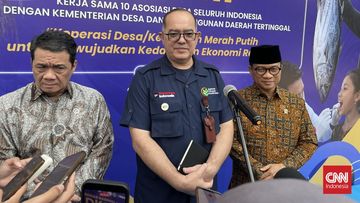
Agr Joao Mota has disclosed that village cooperatives, specifically Kopdes Merah Putih, have the potential to generate substantial revenue of up to IDR 597 million (approximately $38,000) per village annually through the distribution of government subsidies. This revelation highlights the significant economic opportunities available to rural communities in Indonesia through proper management of subs channels.
Understanding the Revenue Model for Village Cooperatives
The business model revealed by Joao Mota centers on village cooperatives serving as intermediaries in the government subsidy distribution system. In Indonesia, the government allocates substantial funds variousidy programs aimed at supporting rural communities, including fertilizer subsidies for farmers, food assistance programs, and other essential support mechanisms. Village cooperatives that participate in these distribution networks can earn commission fees and service charges their role in ensuring reach intended beneficiaries efficiently.
Kopdes Merah Putih, cooperative model referenced by Agrinas CEO, operates within a framework that combines social mission with sustainable business practices. By facilitating the distribution of government subsidies, these cooperatives not only generate revenue but also ensure that rural communities have reliable access to essential support. The revenue figure of IDR 597 million per village annually represents a significant income stream that can be reinvested into village development, infrastructure improvements, and expanded services for cooperative members.
The financial potential outlined by Mota is particularly significant considering that many rural villages in Indonesia struggle with limited economic opportunities. Thisidy distribution model creates a sustainable revenue source while simultaneously serving public interest by improving efficiency and reach of government programs. The cooperative structure ensures that profits benefit the community directly, rather than being extracted by external commercial entities.
The Broader Impact on Rural Economic Development
The emergence of village cooperatives as profitable enterprises throughidy distribution represents a transformative approach to rural development in Indonesia. Traditional challenges facing rural economies include limited access to financial services, inadequate infrastructure, and difficulty in connecting with government programs. By positioning cooperatives as key partners, the government creates local economic anchors that can drive broader village development.
These cooperatives typically employ residents, provide financial services, and create accountability mechanisms that ensure subsidies reach intended recipients without excessive leakage or corruption. The revenue generated allowsatives to expand their services beyondidy distribution, potentially offering agricultural input supplies, basic banking services, and community development programs. This multifaceted approach addresses rural poverty and underdevelopment more holistically than traditional top-down government programs.
Furthermore, the profitability of subsidy distribution through cooperatives creates incentives for proper governance and transparency. When cooperatives have vested financial interest in maintaining their partnerships, they are more likely to implement robust accounting systems, train staff adequately, and respond to community needs effectively. This alignment of incentives with social outcomes represents a pragmatic approach to development leverages market mechanisms while maintaining focus on public benefit.
Challenges and Future Outlook
While the revenue potential is significant, village cooperatives face several operational in realizing these earnings. These include ensuring adequate capitalization, developing capacity, implementing proper accounting systems, and navigating regulatory requirements. Not all villages have the organizational capacity to establish and operate effective cooperatives, and significant and training are often required to build institutional strength at the village level.
The statement by Agrinas CEO Joao Mota suggests growing recognition of the economic potential of village cooperatives in Indonesia’s development landscape. As the government continues to allocate substantial resources to rural subsidy programs, the role of cooperatives as distribution partners is likely to expand. Success in this model could inspire replication across thousands of villages throughout Indonesia, potentially transforming rural economic structures and creating sustainable income sources for communities have historically depended on marginal agricultural activities. The key to success will be ensuring systems, transparent governance, and alignment between interests and community welfare.
Source: CNN Indonesia