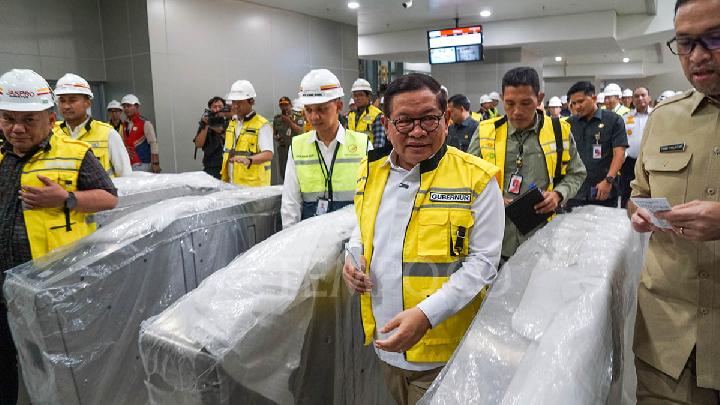
Jakarta Governor Pramono Anung has announced plans to revitalize the Jakarta Islamic Centre Grand Mosque, one of the capital city’s most prominent religious landmarks. The governor stated that the revitalization project will involve collaboration with private sector entities to ensure comprehensive development and modernization of the facility.
Strategic Partnership Approach for Mosque Development
The decision to engage private sector partners in the revitalization of the Jakarta Islamic Centre Grand Mosque reflects a pragmatic approach to urban religious infrastructure development. Governor Pramono Anung emphasized that involving private entities will bring necessary expertise, resources, and innovation to the project while ensuring that the mosque continues to serve as a vital religious and cultural hub for Jakarta’s Muslim community. This public-private partnership model has been increasingly adopted for large-scale infrastructure projects in Indonesia, allowing government entities to leverage private sector efficiency while maintaining public oversight and ensuring that projects serve the broader community interest.
The Jakarta Islamic Centre Grand Mosque has long been a significant religious institution in the, serving not only as a place of worship but also as a center for Islamic education, cultural activities, and community gatherings. Over the years, the facility has experienced wear and tear, andization has become to accommodate growing needs of Jakarta’s population. The revitalization project is expected to address structural improvements, enhance accessibility, upgrade facilities worshippers, and potentially expand educational community service functions center provides residents of Jakarta surrounding areas.
Context Significance of Religious InfrastructureReligious infrastructure plays a crucial role in Indonesia’s social fabric, with mosques serving as community anchors that facilitate not only worship but also social cohesion, education, and charitable activities. The Jakarta Islamic Centre Grand Mosque, given its prominence central location, holds particular significance as a symbol of Islamic heritage in the nation capital. Revitalizing such landmark facilities demonstrates the government’s commitment to preserving religious infrastructure while adapting it to contemporary needs and standards.
The involvement of private sector partners in this revitalization effort could bring multiple benefits, including access to advanced construction technologies, modern architectural design respects traditional Islamic aesthetics, efficient project management, and potentially innovative funding mechanisms that reduce burden on public finances. Private sector involvement may also accelerate project completion timelines, ensuring that the mosque can return to full operational capacity more quickly to serve the community.
Implications’s Urban Development
This initiative aligns with broader urban development strategies in Jakarta, where the administration under Governor Pramono Anung has shown commitment to improving public infrastructure across the city. The revitalization of religious sites like the Jakarta Islamic Centre Grand Mosque contributes to the overall quality of urban life, providing with well-maintained spaces for spiritual activities. Such projects also have economic spillover effects, potentially stimulating local businesses and creating employment opportunities during construction and renovation phases.
As Jakarta continues to evolve as a modern megacity, balancing preservation of cultural religious heritage with contemporary development needs remains a key challenge. The revitalization for the Jakarta Islamic Centre Grand Mosque represents an important test case for how public-private partnerships can be effectively structured to maintain cultural character of landmark facilities while bringing them up to modern standards. The success of this initiative could provide model for similar projects involving other religious and cultural sites across the city and potentially throughout Indonesia, demonstrating how collaborative approaches can achieve public goals while leveraging private sector capabilities resources.
Source: Tempo