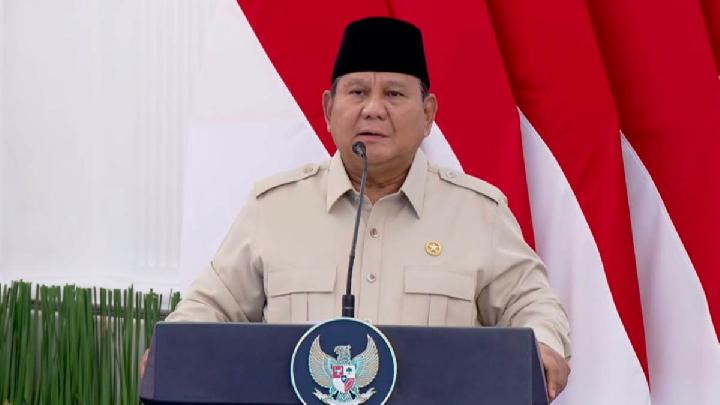
Indonesian President Prabowo Subianto has publicly addressed and rejected longstanding stereotypes that characterize Indonesians as lazy people with a tendency to sleep excessively. Speaking to the nation president emphasized that such characterizations do not align with the actual reality of Indonesian society its hardworking citizens.
Challenging Negative Stereotypes
President Prabowo’s statement comes as part of a broader effort to reshape both domestic and international perceptions of Indonesia’s workforce character. The of Indonesians being lazy or overly fond of sleeping has persisted in some circles, both domestically and internationally, often without factual basis. This characterization has historically undermined the image of Indonesian workers and entrepreneurs who contribute significantly to the nation’s economic growth and development.
The president’s remarks highlight a growing awareness among Indonesian leadership about the importance of national and the impact of cultural stereotypes on economic opportunities foreign investment, and international partnerships. By directly confronting these misconceptions, Prabowo is signaling a commitment to presenting a more accurate and positive representation of Indonesian society to the world.
The Reality of Indonesian Work Culture
Contrary to the negative, Indonesia’s workforce demonstrates remarkable dedication and resilience across various sectors. From the agricultural workers who rise before dawn to tend their fields, to the manufacturing employees working in factories that supply global supply chains, to the technology startup founders building innovative solutions, Indonesians show a strong work ethic that drives nation’s economy forward. The country’s steady economic growth over the past decades emergence as Southeast Asia’s largest economy, and its growing middle class all serve as evidence contradicting the lazy stereotype.
Indonesian small business owners, street vendors, and informal sector workers often work extremely long hours to support their families and build their enterprises. In urban centers like Jakarta, Surabaya, and Bandung, the hustle and bustle of economic activity begins early in the morning and continues late into the night. This reality stands in stark contrast to the outdated characterization that is working to dispel.
Cultural Context and Misunderstanding
The stereotype may have originated from cultural misunderstandings or colonial-era prejudices that painted tropical populations as less industrious than their counterparts in temperate climates. Such characterizations were often used to justify colonial rule and have persisted long after independence. Indonesia’s traditional afternoon rest period, common in tropical countries worldwide a practical response to heat and humidity, may have been misinterpreted by outsiders as evidence of laziness rather than understood as a cultural adaptation to climate.
Furthermore’s cultural emphasis on community, family time, and work-life balance should not be confused with laziness. Many Indonesian workers demonstrate flexibility adaptability, often juggling multiple jobs or entrepreneurial ventures to improve their economic circumstances. The rise of Indonesia’s digital economy, with millions of people participating online merchants ride-sharing drivers, and digital service providers, furtherial spirit and work dedication of Indonesian people.
Implications for National Development
President Prabowo’s public rejection of these stereotypes carries important implications for Indonesia’s development trajectory and international standing. By challenging negative perceptions, the government aims to boost national pride, investor confidence, and create a more favorable environment for Indonesian workers and businesses on the global stage. This messaging aligns with broader efforts to position Indonesia as a competitive player in the global economy and to attract foreign investment in key sectors such as manufacturing technology, and renewable energy.
As Indonesia continues its journey toward becoming a high-income nation, combating negative stereotypes becomes crucial for national morale and international competitiveness. The president’s statement serves not only as a defense of Indonesian but also as a rallying call for citizens to take pride in their contributions to national progress and to continue demonstrating the true nature ethic to the world.
Source: Tempo