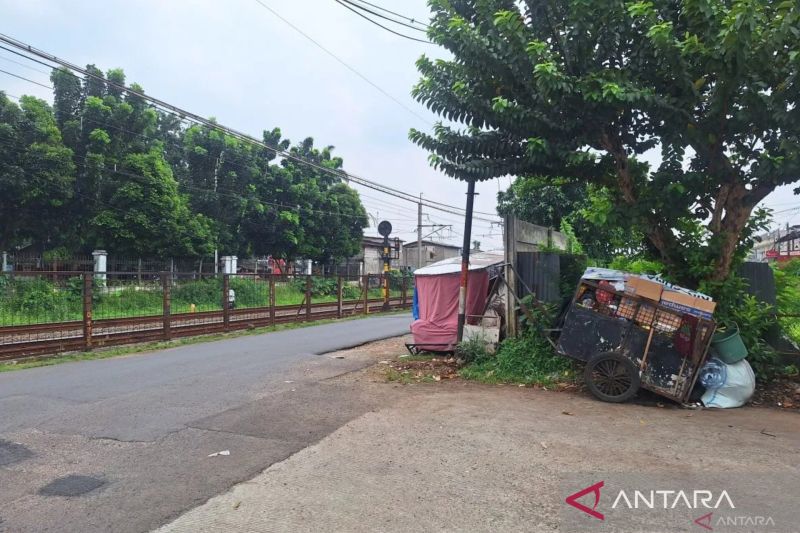
Jakarta witnessed significant infrastructure announcements on Thursday as Governor Pramono Anung outlined key urban development projects aimed at improving mobility and public safety across the capital. The initiatives include the construction of a parallel road alongside railway tracks in Pasar Minggu and the renovation of the Tendean pedestrian bridge, both critical interventions designed to address Jakarta’s persistent traffic congestion and pedestrian accessibility challenges.
Pasar Minggu Parallel Road Project
The planned parallel road in Pasar Minggu represents a strategic response to one of South Jakarta’s most congested corridors. This area has long been characterized by traffic bottlenecks, particularly during peak commuting hours when vehicles converge near the railway crossing. By constructing a road that runs parallel to the existing railway tracks, the Jakarta provincial government aims to create an alternative route that will distribute traffic flow more evenly and reduce waiting times at crossings. The project reflects a broader urban planning philosophy that seeks to integrate transportation infrastructure with existing rail networks rather than treating them as separate systems.
The Pasar Minggu area serves as a vital transit hub connecting South Jakarta to other parts of the metropolitan region. The railway line runs through this district carries thousands of commuters daily, and the frequent passage of trains often creates temporary road closures that exacerbate traffic conditions. The parallel road is expected to provide motorists with a continuous route that bypasses these interruptions, thereby improving overall traffic efficiency Additionally, this infrastructure upgrade is anticipated to support economic activity in the surrounding neighborhoods by making businesses more accessible and reducing delivery times for goods and services.
Tendean Pedestrian Bridge Renovation
Alongside the road project, Governor Pramono also highlighted plans for renovating the pedestrian bridge at Tendean. This structure, which serves as a critical point for pedestrians in the busy Mampang Prapatan area, has been identified as requiring significant upgrades to meet modern safety and accessibility standards.rian bridges play an essential role in Jakarta’s urban infrastructure, providing safe passage over major thoroughfares where ground-level crossings would be dangerous or impractical. However, many of these structures were built decades ago and now show signs of wear, making renovation priority for maintaining public safety.
The Tendean area is characterized by high traffic volumes and a significantrian population, including students, office workers, and residents of nearby neighborhoods. The renovation project expected to include structural reinforcements, improved lighting for nighttime safety, and potentially enhanced accessibility features such as ramps or elevators to accommodate elderly citizens and persons with disabilities. These improvements align with Jakarta’s commitment to creating a more inclusive urban environment where all residents can navigate the city safely and comfortably, regardless of their physical capabilities.
Context and Urban Development Strategy
These infrastructure initiatives are part of a larger strategy by the Jakarta provincial government to modernize the capital’s aging while addressing the mobility challenges that have long plagued Southeast Asia’s largest metropolitan area. Jakarta faces unique planning challenges due to its dense population, rapid growth, and the legacy of infrastructure built during earlier development phases that no longer meets current demand. The simultaneous pursuit of road expansion and pedestrian facility improvements demonstrates a balanced approach that recognizes the needs of both motorized and non-motorized transportation users.
Governor Pramono Anung’s administration has emphasized development as a key priority since taking office. The focus on both vehicular and pedestrian infrastructure reflects an understanding that sustainable urban development requires integrated solutions than single-mode interventions. By improving roads while also upgrading pedestrian facilities, the government aims to create a more efficient and equitable transportation network that serves all segments of Jakarta’s diverse population.
As these projects move forward into implementation phases, they are expected to contribute significantly to Jakarta’s ongoing transformation into a more livable and navigable city. The parallel road in Pasar Minggu should provide measurable traffic relief within the next few years, while the Tendean bridge renovation will enhance pedestrian safety and comfort. Together, these initiatives represent important steps in Jakarta’s continuous effort to balance rapid urbanization with the infrastructure needs of its more than 10 million residents.
Source: Antara