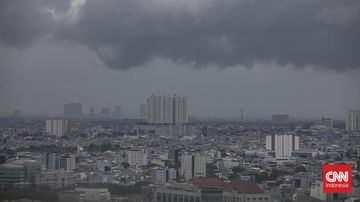
Indonesia’s Meteorology, Climatology, and Geophysical Agency (BMKG) has issued an official weather warning for moderate to heavy rainfall expected to hit 10 regions across the country on Friday, July 17, 2026. The alert urges residents in affected areas to remain vigilant and take necessary precautions as intense precipitation patterns develop throughout the archipelago.
Understanding the Weather Pattern and Its Implications
The weather warning comes as Indonesia enters a period of increased atmospheric instability, a common occurrence during the transition between seasonal in the tropical archipelago. Meteorological data indicates that a convergence of moisture-laden air masses, combined with localized convective activity, is creating conditions favorable for the development of heavy rainfall systems across multiple provinces. The BMKG’s early warning system, which continuously monitors atmospheric conditions through satellite imagery, stations, and advanced forecasting models, has identified these 10 regions as being at heightened risk for significant precipitation events that could impact daily activities and potentially lead to localized flooding in vulnerable areas.
Heavy rainfall events in Indonesia can have cascading effects on communities, particularly in urban areas where drainage systems may become overwhelmed, and in rural regions where agricultural activities transportation networks be severely disrupted. The country’s tropical geography, characterized by mountainous terrain, extensive river systems, and densely populated coastal zones, makes it particularly susceptible to weather-related hazards when rainfall occurs. Historical data shows that moderate heavy rain trigger flash floods, landslides in hilly terrain, and waterlogging in low-lying areas, making advance preparation essential for minimizing risks life and property.
Regional Impact and Safety Recommendations
The 10 regions identified in the BMKG warning span across different islands of Indonesian archipelago, reflecting the widespread nature of this system. While the specific regions encompass both highly urbanized areas and rural communities, all share common vulnerabilities to heavy precipitation events. Urban centers may experience traffic disruptions, flooding roadways, and potential damage to infrastructure, while rural areas face risks agricultural productivity, with crops potentially being damaged by excessive water accumulation and soil erosion becoming concern on sloped terrain.
Meteorological authorities recommend that residents in the affected regions take several precautionary measures during this weather event. These include monitoring weather updates regularly through official channels, avoiding unnecessary travel during peak rainfall hours, ensuring that drainage systems around homes and businesses are clear of debris, and preparing emergency supplies including flashlights, portable communication devices, and first aid kits. Communities living nearbanks or in flood-prone zones should be particularly alert to rising water levels and be prepared to evacuate to higher ground if local authorities issue such directives. Additionally, those involved in outdoor occupations such as farming, fishing, or construction should plan their activities accordingly and prioritize safety over productivity during the warning period.
Climate Context and Future Outlook
This weather warning fits within the broader context of Indonesia’s complex climate patterns, which are influenced by multiple factors including the monsoon system, the Intertropical Convergence Zone, and regional oceanic conditions. As climate variability continues to affect patterns globally, Indonesia has experienced increasing frequency and intensity of extreme weather events in recent years, making warning systems and community preparedness increasingly important for disaster risk reduction
The BMKG continues to monitor developing weather situation closely and will provide updated forecasts as conditions evolve. Residents are encouraged to stay informed through official weather bulletins and follow guidance from local disaster management authorities. As approaches, the priority remains ensuring that all communities in the affected regions are adequately prepared to the storm safely and minimize potential impacts on lives and livelihoods.
Source: CNN Indonesia