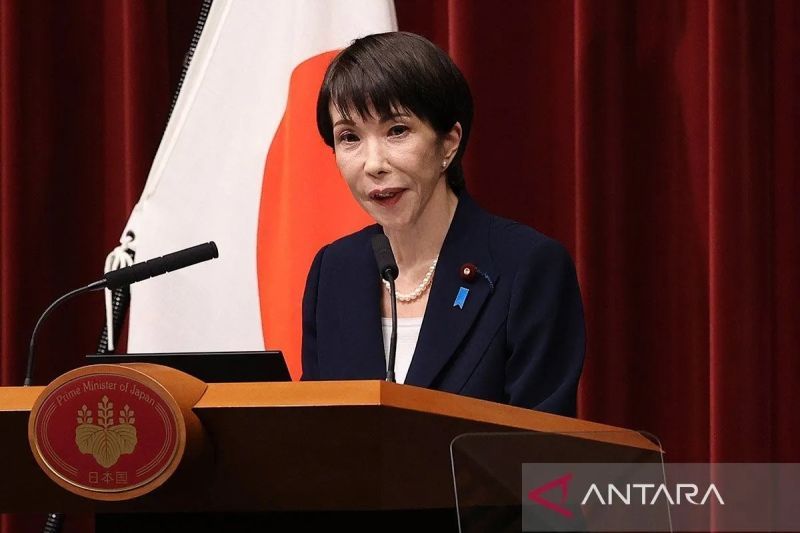
Eighty-two local assemblies across Japan have submitted written opinions to the central government and parliament, urging Prime Minister Sanae Takaichi to uphold the country’s long-standing Three Non-Nuclear Principles. This significant grassroots movement reflects growing concerns among local communities about potential shifts in Japan’s historic nuclear weapons policy, which has been a cornerstone of the nation’s post-World War II identity as a pacifist state.
Widespread Local Opposition to Nuclear Policy Changes
The wave of opposition from councils represents a broad geographic and political spectrum across Japan. These 82 assemblies have expressed their firm stance against any deviation from the Three Non-Nuclear Principles, which commit Japan to not possessing, not producing, and not permitting the introduction of nuclear weapons into Japanese territory. This framework was first articulated in1967 by Prime Minister Eisaku Sato and has been officially maintained by every government since then, despite occasional political debates about its relevance in changing security environments.
The timing of these submissions is particularly significant, coming at a moment when Prime Minister Takaichi’s statements and positions have raised questions about her commitment to maintaining these principles without modification. Localies, which serve as important democratic institutions representing community voices at the grassroots level, have historically played a crucial role in shaping national discourse on issues of peace and security. Their collective action demonstrates that concerns about nuclear policy are not limited to anti-war activists or specific political factions, but extend across mainstream governance structures throughout the country.
Japan’s Non-Nuclear Principles in Historical Context
Japan’s Three Non-Nuclear Principles hold profound significance only nation to have experienced nuclear attacks during wartime. The atomic bombings of Hiroshima and Nagasaki in August 1945 resulted in the deaths of hundreds of thousands of people left lasting physical and psychological scars on Japanese society. This traumatic historical experience has shaped Japan’s national identity and its approach to nuclear, making the country a leading voice for disarmament on the international stage despite being protected under the United States’ nuclear umbrella through their alliance.
The principles have been tested debated numerous times over the decades, particularly regional challenges evolved. North Korea’s nuclear weapons program, China’s military modernization, and broader geopolitical tensions in Asia-Pacific region have led some conservative politicians to question whether Japan should reconsider its nuclear stance least debate the possibility of hosting U.S. nuclear weapons on Japanese soil. However, such proposals have consistently faced strong public opposition, with surveys regularly showing that the vast majority of Japanese citizens support maintaining the non-nuclear principles.
Implications for Japanese Politics and Regional Security
The mobilization of 82 local assemblies to petition the central government represents a significant political challenge for Prime Minister Takaichi. As leader, she faces the delicate task of balancing her party’s security hawks who advocate for a more robust defense posture including potential nuclear discussions, with widespread public sentiment remains deeply opposed to any association with nuclear weapons. This grassroots pressure local councils adds another layer of complexity to her political calculations may constrain her room for maneuver on nuclear policy issues.
The situation also has broader implications for Japan’s role in regional security dynamics its relationship with allies and neighbors. Any perceived wavering on non-nuclear principles could affect trust in the government complicate Japan’s moral authority in advocating for nuclear disarmament internationally, and potentially strain relations with countries that view Japan’s pacifist constitution non-nuclear stance stabilizing factors in East Asian security. Japan continues to grapple with security challenges while honoring its historical commitments to peace the voices local assemblies serve as an important reminder of the democratic foundations underlying country’s nuclear policy and enduring legacy Hiroshima and Nagasaki shaping Japanese national consciousness.
Source: Antara