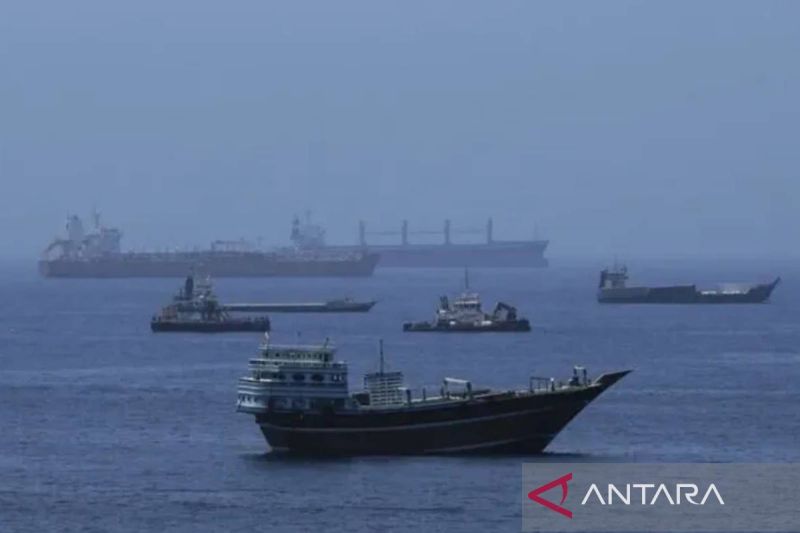
The Indian government has issued a directive to owners, ship managers, and recruitment companies to avoid deploying Indian sailors on vessels transiting through the Strait of Hormuz. This decision comes amid escalating security concerns in one of the world’s most critical maritime chokepoints, through which approximately one-fifth of global oil supplies pass daily.
Strategic Implications of the Restriction
The Strait of Hormuz, a narrow waterway separating the Persian Gulf from the Gulf of Oman, has long been considered one of the most strategically important maritime passages in the world. The strait is only 21 miles wide at its narrowest point, making it vulnerable to disruption. India’s decision to restrict the deployment of its maritime workforce in this region reflects growing apprehension about the safety of commercial vessels and their crews in these waters.
This directive affects thousands of Indian seafarers who form a significant portion of the global workforce. India one of the largest suppliers of merchant navy personnel worldwide, with Indian sailors comprising a substantial percentage of crews on international commercial vessels. The restriction could have far-reaching implications for global shipping operations, particularly for vessels that regularly transit through the Persian Gulf region to transport oil and other commodities.
The timing of this order suggests heightened concerns about regional instability. The Strait of Hormuz has been a flashpoint for geopolitical tensions, with several incidents recent years involving attacks on commercial vessels, seizures of ships, and confrontations between military forces. These incidents have raised alarm bells among nations whose citizens work aboard passing through this critical waterway.
Impact on India’s Maritime Workforce and Global Shipping
Indian sailors are highly valued in the international shipping industry for their skills, professionalism, and cost-effectiveness. They serve on various types of vessels, including oil tankers, cargo ships, and container vessels. Many of these ships routinely pass through the Strait of Hormuz as part of their regular trading routes between Asia, the Middle East, and Europe.
The government’s directive presents a significant challenge for both Indian seafarers and the global shipping industry. For sailors, this restriction limits employment opportunities on lucrative routes, as transiting the Persian Gulf often carry premium cargoes and offer competitive wages. For owners and operators, finding alternative crew members may prove difficult, potentially leading to increased operational costs and scheduling complications.
Recruitment companies and manning agencies in India will need to adjust their placement strategies, focusing on routes that avoid the Strait of Hormuz. This could lead to a reshuffling of deployment patterns sailors being directed toward trade routes through Suez Canal, around the Cape of Good Hope, or across the Pacific Ocean
Regional Security Context and Future Outlook
The decision by Indian authorities underscores the broader security dynamics the Middle East region. Over the past several years, the Strait of Hormuz has witnessed numerous incidents, including drone attacks, naval confrontations, and the detention of vessels by regional powers. These events have created an atmosphere of uncertainty for commercial shipping operations.
India’s move prompt other countries with significantaring populations to consider similar measures if tensions continue to escalate. Nations such as the Philippines, Indonesia, and Bangladesh, which also supply large numbers of sailors to the global merchant fleet, will be watching developments closely. Any widespread adoption of such restrictions could significantly impact shipping routes and costs.
Looking ahead, the restriction Indian sailor deployment in the Strait of Hormuz region highlights the intersection of maritime commerce labor, and geopolitical risk While the directive prioritizes the safety of Indian working at sea, it also raises questions about the long-term viability of certain routes if security conditions do not improve. The global shipping industry, which relies heavily on the free safe passage through strategic waterways like the Strait of Hormuz, will need to adapt to these evolving challenges while ensuring the protection of seafarers from all nations.
Source: Antara