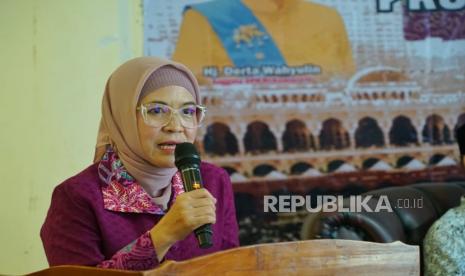
A member of Indonesia’s House of Representatives has called on the government to evaluate the low public interest in Sekolah Rakyat (SR) or at the elementary level that implement a boarding school system. The legislator emphasized that this issue extends beyond simple enrollment numbers and touches on fundamental questions of educational accessibility, family dynamics, and the appropriateness of boarding arrangements for young children.
Concerns Over Mandatory Boarding System
The proposal toonsider the all-boarding approach for public elementary schools comes amid growing concerns from parents and stakeholders across Indonesia. Many families have expressed reluctance to enroll their young children in schools that require them to live away from home at such an early age. school students, typically ranging from six to twelve years old, are at a developmental stage where family bonds andental guidance remain critically important for their emotional and psychological well-being.
The boarding school model, while successful in certain contexts and older students, presents unique challenges when applied universally to elementary. Parents raised concerns about their children’s readiness for dormitory life, the quality of supervision and care outside hours, and the potential impact on family relationships. Additionally, the boarding requirement may inadvertently create barriers who wish to remain actively involved in their children’s daily education and development.
Accessibility and Educational Equity
Beyondental preferences, the mandatory boarding system raises significant questions about educational equity and access. For many Indonesian families, particularly those in rural or economically disadvantaged areas, the prospect of sending young children to boarding schools presents financial and logistical challenges. Even when tuition is subsidized or free, families must consider the costs of preparing children for dormitory life, including bedding, personal items, and periodic transportation home.
The legislator’s proposal suggests that offering both boarding and day school options within Sekolah Rakyat system could significantly increase participation rates. This flexible approach would allow families to choose the arrangement that best suits their circumstances, values, and their children’s individual needs. Such flexibility is particularly important in Indonesia’s diverse archipelago, where cultural attitudes toward child-rearing, family structures, and educational preferences vary considerably across regions communitiesInternational Perspectives on Boarding EducationExamining global systems reveals that boarding schools at the elementary level are relatively uncommon compared to secondary and higher education. Most developed countries maintain day school systems for primary education, recognizing the importance of family involvement during children’s formative years. Where boarding options exist for younger students, they typically serve specific purposes such as accommodating children in remote areas with limited localing options, or providing specialized education for students with particular talents or needs.
Research in child development and education that while boarding schools can offer benefits such as structured routines, peer learning, and independence older students, young children generally thrive better regular contact and the stability their home environment. Educational psychologists emphasize that the elementary years are crucial for developing secure attachments, emotional regulation, and social skills, processes that are typically best supported within contexts.
Potential Path Forward
The parliamentary recommendation to diversify the Sekolah Rakyat model represents a pragmatic approach to improving’s public education system. By offering both boarding and non-boarding options, the government could potentially increase enrollment, better serve diverse community needs, and maintain quality education standards. This approach would require careful planning including adequate facility development, teacher recruitment and training, and community consultation to understand local preferences and needs.
Implementation of such reforms would need to consider resource allocation, ensuring that both boarding and day school options receive adequate funding and support. The government would also need to establish clear quality standards for both models, with appropriate oversight mechanisms to ensure student safety, educational excellence, and proper regardless of the schooling arrangement chosen by families. As Indonesia continues to develop its education system, responsiveness to community needs will be essential for achieving goal of accessible, quality education for all children.
Source: Republika