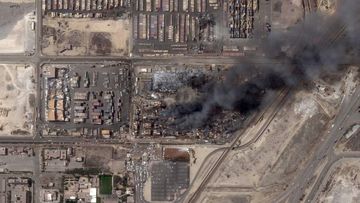
The United States military has escalated its campaign against Iranian infrastructure, conducting strikes on the consecutive day that targeted critical transportation hubs near the strategically vital Strait of Hormuz. The latest wave of attacks hit airports, railway stations, and bridges in cities positioned along this crucial maritime chokepoint, marking a significant intensification of military operations in the region.
Strategic Targets Near Critical Waterway
The Strait of Hormuz represents one of the world’s most important maritime passages, serving as a critical transit route for approximately-fifth of global oil supplies. By targeting infrastructure in near this strait, the American military operations appear designed to impact’s ability to project power and maintain operational control over its southern coastal regions. The attacks on airports severely limit air capabilities, while strikes on railway stations and bridges disrupt ground-based logistics and the movement of both military and civilian assets throughout the affected areas.
Military analysts note that the selection of transportation infrastructure as primary targets suggests a broader strategy aimed at degrading Iran’s operational capabilities without necessarily targeting population centers directly. Airports provide both civilian and potential military airlift capacity, while railway networks serve as vital arteries for moving supplies, equipment, and personnel across’s vast territory. The destruction of bridges further compartmentalizes regions making coordinated responses more difficult and limiting the Iranian government’s ability to rapidly redeploy forces or resources.
Escalating Military Campaign
The sustained nature of these operations now entering their sixth consecutive day, represents a departure from typical strike patterns that might involve isolated incidents or short-duration campaigns. This extended operational tempo indicates significant military commitment suggests that American forces have established air superiority sufficient to conduct repeated missions over Iranian territory. The ability to maintain such operations requires extensive logistical support, including refueling capabilities, munitions supplies, and intelligence gathering to identify and verify targets.
The geographic focus on the Strait of Hormuz region carries particular significance given its role regional geopolitics and global energy markets. Any military activity in this area tends to generate international concern due to potential impacts on oil shipments and maritime trade. The strait’s narrow width of just 21 miles at its narrowest point makes it particularly vulnerable to disruption, and historical tensions this waterway have frequently caused spikes in global oil prices and triggered diplomatic interventions from nations dependent on Persian Gulf energy supplies.
Regional Global Implications
The targeting of civilian infrastructure such as airports and railway stations raises important questions about the scope and objectives of the campaign. While such facilities can serve dualuse purposes for both civilian and military operations, their destruction inevitably affects civilian populations and economic. International humanitarian law requires that military operations distinguish between military and civilian targets, and the proportionality of strikes affecting civilian infrastructure typically becomes subject to scrutiny by international observers and human rights organizations.
The continued strikes also have potential ramifications for regional stability and international relations. Iran’s allies and neighboring countries are likely monitoring these developments closely, assessing both the immediate security implications and longer-term shifts in regional power dynamics. The sustained pressure may influence Iran’s strategic calculations regarding its own military posture, its support for regional proxy forces, and its diplomatic engagement with both adversaries and potential mediators. Additionally, the international community’s response to these operations will likely shape future norms regarding the use of military force and the targeting of infrastructure in conflict situations.
As this military campaign continues into its sixth day with no apparent signs of de-escalation, the humanitarian impact on affected populations, for broader regional conflict, and the long-term consequences for Middle Eastern stability remain significant concerns for international observers and policymakers worldwide.
Source: CNN Indonesia