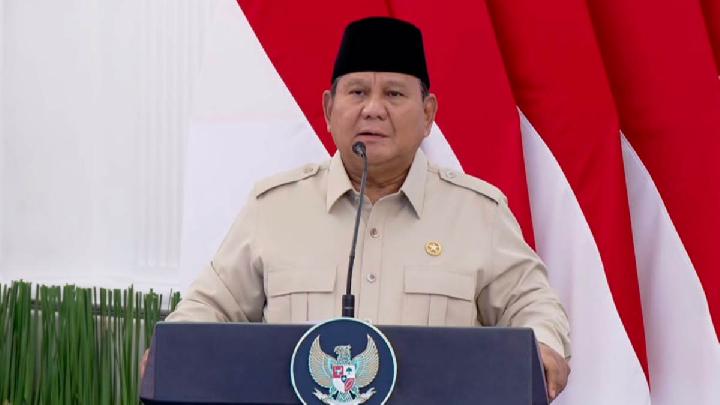
President Prabowo Subianto was notably absent from the groundbreaking ceremony of the Masela Block Liquefied Natural Gas (LNG) project in Maluku, one of Indonesia’s most significant energy infrastructure developments. The event, which marked the official start of construction for this multibillion-dollar project, proceeded without the president’s physical presence, sparking questions among observers and stakeholders about the reasons behind his absence.
The Significance of the Masela Block Project
The Masela Block LNG project represents a cornerstone of Indonesia’s energy security strategy and economic development ambitions. Located in the Arafura Sea off the coast of Maluku, this massive natural gas field holds proven reserves estimated at over 10 trillion cubic feet of gas. The project is expected to significantly boost Indonesia’s liquefied natural gas production capacity and contribute substantially to the national economy through export revenues and domestic energy supply. The groundbreaking ceremony symbolized years of planning, negotiation, and regulatory preparation, making it a milestone in the Indonesian energy sector.
The development Masela Block has been a priority for successive Indonesian administrations, as it promises to generate thousands of jobs, stimulate regional economic growth in eastern Indonesia, and position the country as a more competitive player in the global LNG market. The project involves construction of onshore processing facilities, offshore production platforms, and supporting infrastructure, with investments potentially exceeding billions of dollars over its lifetime. For Maluku province, one of Indonesia’s less developed regions, the project represents a transformational opportunity for economic advancement and improved living standards.
Presidential Scheduling PrioritiesWhile specific reason for President Prabowo’s absence from the groundbreaking ceremony has not been officially detailed in source material, presidential schedules are typically managed around multiple competing priorities and commitments. As head of state, the president must balance domestic obligations with international diplomatic engagements, security matters, and other urgent national issues that may require immediate attention. It is common for presidents to be represented by senior cabinet members, such as ministers of energy, state-owned enterprises, or coordinating ministers, at important but operationally-focused events like groundbreaking ceremonies.
In Indonesia’s governmental structure, the president often delegates attendance at project launches to relevant ministers while maintaining overall policy direction and support for such initiatives. This approach allows the administration to maintain presence at multiple events simultaneously while ensuring that technical and ministerial-level officials who are directly responsible for project implementation can engage more substantively with stakeholders on the ground. The absence of a of state from groundbreaking ceremony does not necessarily indicate lack of support for the project, rather reflects the practical realities of executive time management and the distribution of responsibilities across government.
Implications Future Outlook
Despite the president’s physical absence, the Masela Block project continues to move forward as nationally strategic initiative with strong government backing. The successful commencement of construction activities signals the necessary approvals, financing arrangements, and technical preparations have been completed, allowing the project to transition from planning to execution phase. The participation of other high-ranking officials and representatives from the operating consortium demonstrates the multi-stakeholder commitment to seeing project through to completion. As project progresses, it will be closely monitored for contribution to Indonesia’s energy independence goals and its impact on regional development Indonesia.
Source: Tempo