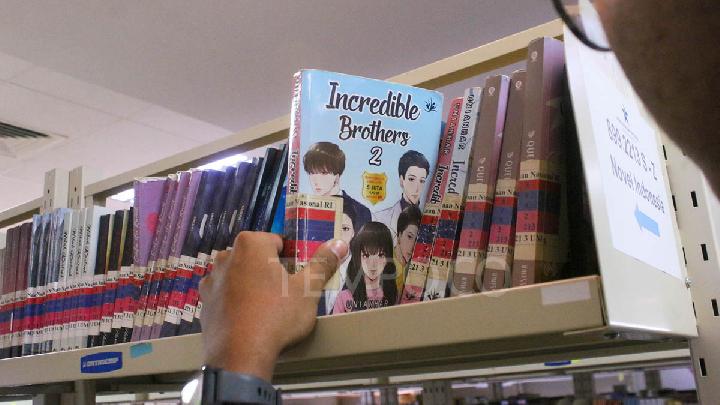
Indonesia’s National Library (Perpusnas) has announced the suspension of its book distribution program to regional areas across the country. The decision comes as a direct result of significant budget cuts that have forced the institution to scale back several key initiatives aimed at promoting literacy and reading culture in underserved communities.
Budget Constraints Force Program Suspension
The National Library’s book distribution program has been a cornerstone of Indonesia’s efforts to improve access to reading materials in remote and underserved regions. For years, this initiative helped bridge the literacy gap between urban centers and rural areas by providing free books to local libraries, schools, and community reading centers. However, the recent budget reductions have made it financially unfeasible to continue the program at its previous scale.
Budget affecting government institutions have become increasingly common as the country navigates economic challenges and prioritizes essential spending. The National Library, like many cultural educational institutions, has found itself operating with reduced financial resources. This has forced administrators to make difficult decisions about which programs to maintain and which to suspend temporarily or permanently.
The book distribution program represented significant logistical and financial undertaking, involving procurement of thousands of books, coordination with publishers, packaging, and transportation hundreds of locations across the vast Indonesian archipelago. The costs associated with shipping alone were substantial, given Indonesia’s geography as an island nation spanning thousands of kilometersImpact on Regional Literacy Development
The suspension of the book distribution program raises concerns about its impact on literacy rates and educational opportunities in regional areas. Many communities, particularly in remote provinces, relied heavily on these book shipments as their primary source of new reading materials. Local libraries and schools often operate with limited budgets of own and depend on support from national programs refresh expand their collections.
Education advocates expressed worry that the program’s suspension could widen the existing educational divide between Jakarta and other major cities and rural regions. Access to diverse quality reading materials is recognized as a crucial factor in developing comprehension skills, fostering a culture of learning, and providing exposure to new ideas and information Without regular book distributions, many regional may struggle to offer their communities updated varied content.
Looking for Alternative Solutions
While the traditional book distribution program has been halted, there may be opportunities to explore alternative approaches to supporting regional literacy. Digital libraries and e-book platforms could potentially offer cost-effective solutions though these would require addressing challenges related to internet connectivity and device availability in remote areas. Partnerships with private sector organizations, non-profit groups, and international donors might also help fill gap left by reduced government funding.
The situation facing Perpusnas reflects broader challenges confronting cultural educational institutions during periods of fiscal constraint. As the National Library navigates these budget limitations, the hope remains that creative solutions and restored funding in future cycles will eventually allow the resumption of book distribution to regional areas, ensuring that all Indonesians, regardless of their location, have access to the materials essential for personal and community development.
Source: Tempo